The relationship between staff training investment and business performance is one of the most consistently documented in management research and one of the most consistently underutilised by Nigerian SME owners who are focused on the immediate cost rather than the delayed but substantially larger return. The businesses that invest in the continuous development of their teams do not just perform better on the metrics that are easiest to measure, like productivity and output quality. They perform better on the metrics that matter most for long-term growth: client retention, talent retention, service quality, and the organisational capacity to identify and respond to market opportunities faster than untrained competitors.
Trained employees do not just do more they do better. The productivity premium of a team that has received structured, relevant skills development shows up in every dimension of operational performance: tasks completed faster, errors made less frequently, client interactions handled more confidently, and problems resolved without escalation to management. For Nigerian SME owners who are currently functioning as the highest-skilled person in most rooms in their business, the training investment that elevates the team’s capability is also the investment that frees the owner from operational dependency creating the headroom to lead rather than execute.
Client retention in Nigerian SMEs is heavily influenced by the quality and consistency of the service experience which is a function of staff competence. Clients who receive excellent service from a well-trained team renew, refer, and expand their relationship with the business. Clients who receive inconsistent service from a team with uneven skill levels churn often quietly, without complaint, simply choosing a competitor the next time a need arises. The cost of losing a client is typically five to ten times the cost of the training that might have retained them. Viewed through this lens, the SME that does not invest in training is making an expensive choice to absorb client churn rather than prevent it.
In Nigeria’s talent market, particularly in the technology and professional services sectors, the best candidates are choosing between employers and the quality of professional development opportunity is consistently among the top three factors in that choice. SMEs that invest visibly and genuinely in staff development attract better candidates and retain them longer. They create a reputation in the talent market as businesses worth working for businesses that invest in their people rather than simply extracting value from them. This reputation is an asset that compounds over time, producing a virtuous cycle of better talent, better performance, and better business outcomes.
E15 Academy’s corporate training programmes are designed with the Nigerian SME context specifically in mind. We understand that SME owners cannot afford to take entire teams off the floor for extended periods. Our training is structured to deliver maximum impact in focused, practical sessions that build applicable skills rapidly. We offer both in-person and flexible formats to accommodate the operational realities of growing businesses. And we work with SME owners to identify the training investments most likely to produce the fastest and most significant return for their specific business context. Contact E15 Academy today to discuss a training programme designed around your SME’s growth objectives.
The SMEs that outperform in Nigeria are the ones that invest in their teams. E15 Academy makes that investment accessible, practical, and commercially focused. Contact us today to begin.

The migration of Nigerian business infrastructure to cloud computing is not a future possibility or…

For Nigerian businesses that sell physical products food and beverage brands, cosmetics and beauty products,…
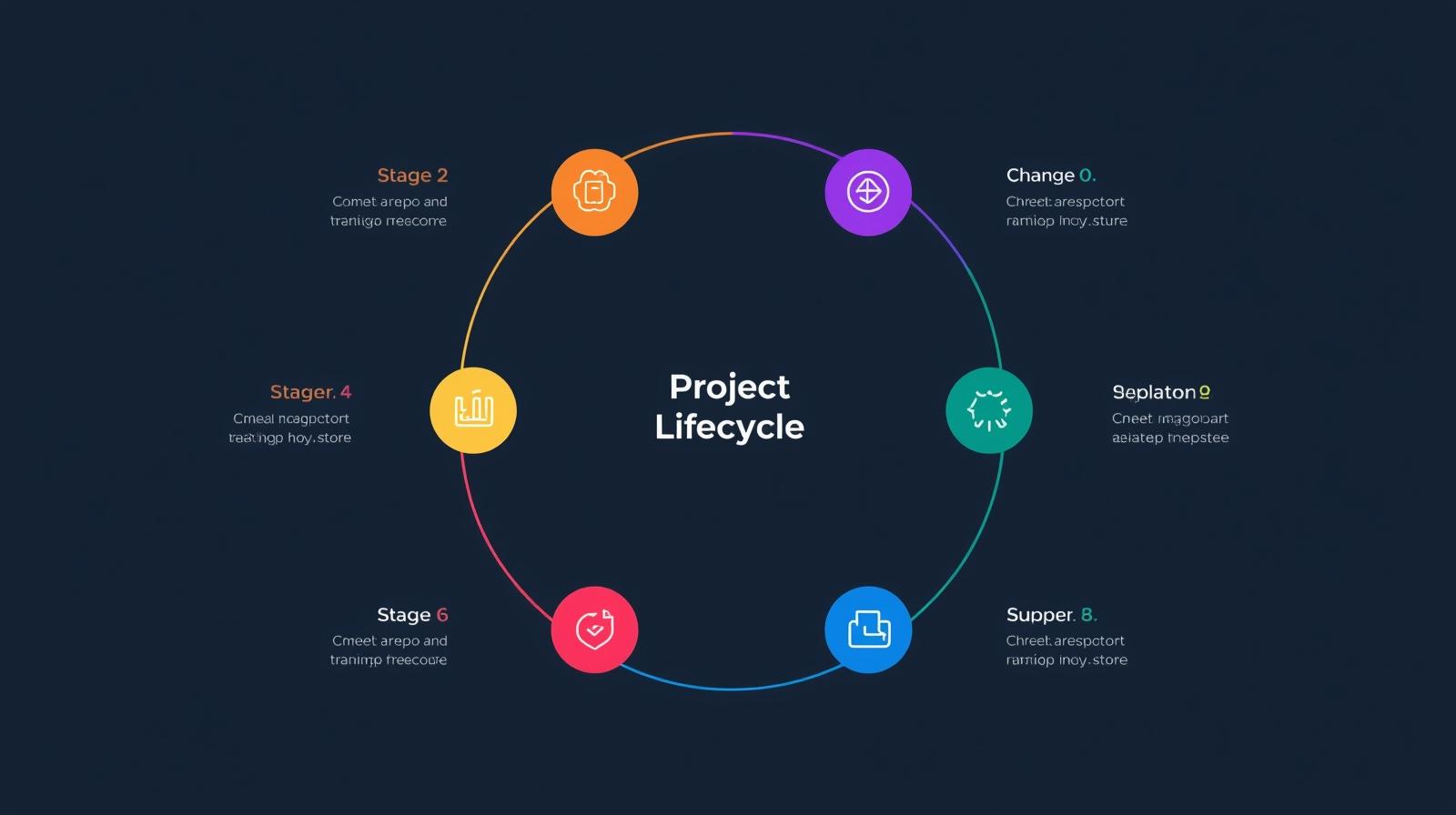
The word 'holistic' is used frequently enough in business communication that it has begun to…
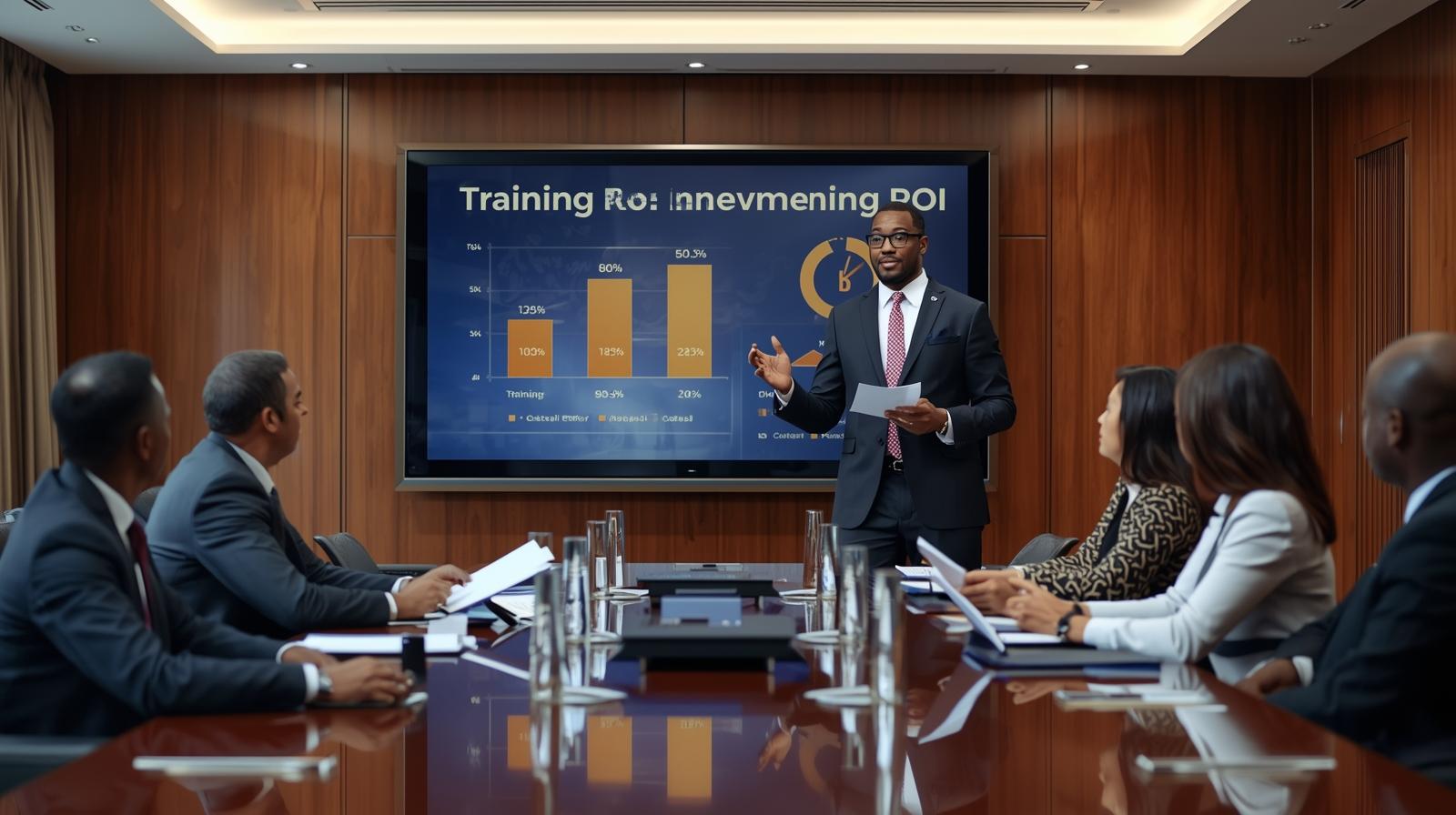
For Learning and Development managers and HR professionals in Nigerian organisations, one of the most…

Website accessibility the design and development practice of ensuring that digital content and interfaces are…

The most common diagnosis Nigerian business owners reach when their marketing is not producing results…

At E15 Technologies, we don’t just navigate the complex world of technology, we redefine it. Our commitment to excellence is not a mere promise but a relentless pursuit fueled by a team of highly skilled professionals armed with the latest tools and technologies to ensure the highest standards of quality and efficiency.
Monday - Friday 08 AM - 5 PM
