- Novare Central Wuse Zone 5, Abuja - Nigeria.
- info@e15technologies.com
- +234 704 0155 720

Every Nigerian business that relies on digital infrastructure has experienced the support ticket. You submit a description of a problem into a form. A ticket number is generated. An automated acknowledgement arrives. And then you wait sometimes for hours, sometimes for days for a response that may or may not come from someone who understands your system, your business, or why the problem you are experiencing is urgent. The support ticket model has its place. But for Nigerian businesses where digital infrastructure is critical to daily operations, the transactional support relationship it represents is fundamentally inadequate. What these businesses need is not a ticketing system. They need a support partner.
The support ticket model is designed for efficiency at scale. It works well when support problems are standardised, well-defined, and independent of business context. It fails when problems are complex, time-sensitive, or require understanding of the specific environment in which they occur. For a Nigerian business experiencing a payment gateway failure during a sales event, or a database error affecting client-facing systems on a busy Monday morning, the ticket model does not deliver. It delivers a queue position. What the business needs in that moment is a partner who already knows their system, understands the stakes, and is working the problem with genuine urgency.
A genuine support partnership is characterised by familiarity, proactivity, and shared stakes. A support partner knows your systems not from reading a brief when a ticket is submitted, but from having built, configured, or worked with your infrastructure over time. They understand which systems are critical to your business operations and why. They monitor proactively rather than waiting to be told about problems. They communicate in plain language rather than technical jargon. And they treat the urgency of your problem as their own, because their role is defined by your operational success rather than by the closure of a ticket.
One of the most significant and least-discussed advantages of a genuine support partnership over transactional IT support is continuity. When the same team manages your infrastructure over an extended period, they accumulate contextual knowledge that cannot be replicated by a new team responding to a ticket cold. They know the history of your systems the configurations that were changed and why, the issues that recur and their root causes, the components that are approaching end of life. This accumulated knowledge is not a soft benefit. It is a concrete operational advantage that translates into faster diagnosis, better decisions, and fewer recurring problems.
E15 Technologies Limited’s Infrastructure and Support service is built around the partnership model. Our support clients are not ticket numbers they are businesses whose digital infrastructure we know intimately and whose operational success we are invested in. We assign dedicated support contacts, maintain detailed documentation of each client’s environment, monitor proactively, and communicate with the clarity and urgency that business owners need. When something goes wrong or when we can see that something is about to we act like a partner, not a vendor
The difference between a support ticket and a support partner is the difference between a queue and a commitment. E15 Technologies Limited offers the latter. Contact our Infrastructure and Support team today to discuss a partnership.
Every year, Nigerian business owners spend money on logos that do not help their businesses.…

Nigeria produces hundreds of thousands of university graduates every year. Many of them are intelligent,…
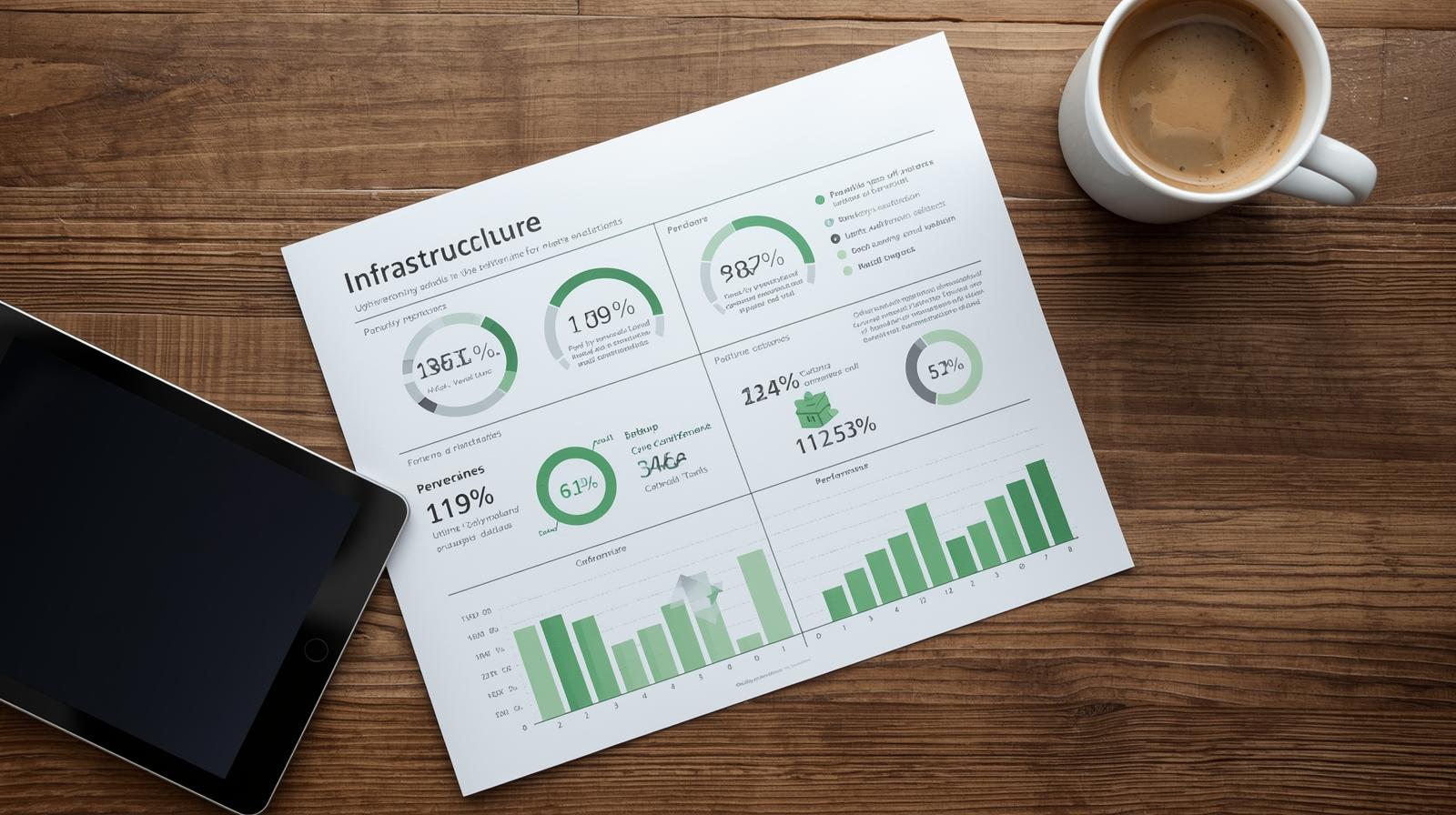
The relationship between most Nigerian businesses and their web hosting or IT infrastructure provider is…

In E15 Technologies Limited's project history, one of the most consistent patterns we observe is…

There is a security improvement available to every Nigerian business that manages digital accounts website…

In the Nigerian startup and growth-stage investment ecosystem, the pitch deck has become one of…

At E15 Technologies, we don’t just navigate the complex world of technology, we redefine it. Our commitment to excellence is not a mere promise but a relentless pursuit fueled by a team of highly skilled professionals armed with the latest tools and technologies to ensure the highest standards of quality and efficiency.
Monday - Friday 08 AM - 5 PM