- Novare Central Wuse Zone 5, Abuja - Nigeria.
- info@e15technologies.com
- +234 704 0155 720

A Nigerian business invests in a website redesign, a mobile application, or a digital marketing campaign. The project delivers on time, within budget, and to the quality standard the brief specified. The agency or development team declares success. But six months later, the business owner is struggling to connect the investment to any measurable change in business outcomes. The website has launched. The app is live. The campaign ran. And the needle has not moved in any of the ways that actually matter. This disconnect between project delivery success and business outcome success is one of the most common and most demoralising experiences in Nigerian digital investment. It is also, in most cases, entirely preventable with the right performance measurement framework established at the project’s outset.
The confusion between delivery metrics and outcome metrics is at the heart of most project success measurement failures. Delivery metrics measure whether the project was completed as specified: delivered on time, within budget, to the agreed quality standard. These metrics matter they measure the delivery partner’s execution performance. But they do not measure what the client actually invested in: business outcomes. Outcome metrics measure the real-world impact of the project on the business: how many more enquiries is the website generating? What is the conversion rate on the new landing page? How many active users has the app achieved? What is the revenue attributable to the campaign? These are the metrics that matter to the business and they should be defined, documented, and agreed before the project begins.
Meaningful performance targets for a digital project share three characteristics. They are specific: not ‘improve website performance’ but ‘increase monthly enquiry form submissions from 20 to 50 within 90 days of launch.’ They are measurable: they reference data that will actually be tracked and reported, through analytics tools that are properly configured before launch. And they are realistic: grounded in baseline data and industry benchmarks rather than aspiration alone. Setting targets that meet these criteria requires the honest analysis of current performance baselines that a thorough discovery and planning phase provides which is another reason why skipping discovery costs more than it saves.
The period immediately following a project launch is the most critical for performance measurement and the most commonly underinvested by Nigerian businesses who treat launch as the end of the project rather than the beginning of the measurement phase. In the first 30, 60, and 90 days post-launch, the performance data tells a story about what is working and what is not that is invaluable for optimising the investment’s return. Analytics that show users dropping out at a specific point in a conversion flow indicate a friction point that can be addressed. Search data that shows unexpected query patterns indicate content or messaging gaps that can be filled. Performance data that falls short of targets indicates either that the targets were unrealistic or that the implementation requires adjustment and distinguishing between these explanations requires the data that ongoing measurement provides.
E15 Technologies Limited’s project process begins with the definition of success specific, measurable outcome targets agreed with the client during discovery and planning. These targets guide design and development decisions throughout the project, are built into the testing and QA criteria, and form the basis of post-launch performance monitoring in our ongoing support relationships. We do not declare a project successful when it is delivered. We evaluate success against the outcomes it was built to produce and we remain engaged with our clients through the post-launch period when those outcomes are being measured. Contact us today to discuss a project where success is defined by what it achieves, not just by what it delivers.
A successful delivery that produces no business outcome is not a successful project. E15 Technologies Limited measures success by what your investment achieves. Contact us today.

A Nigerian business invests in a website redesign, a mobile application, or a digital marketing…
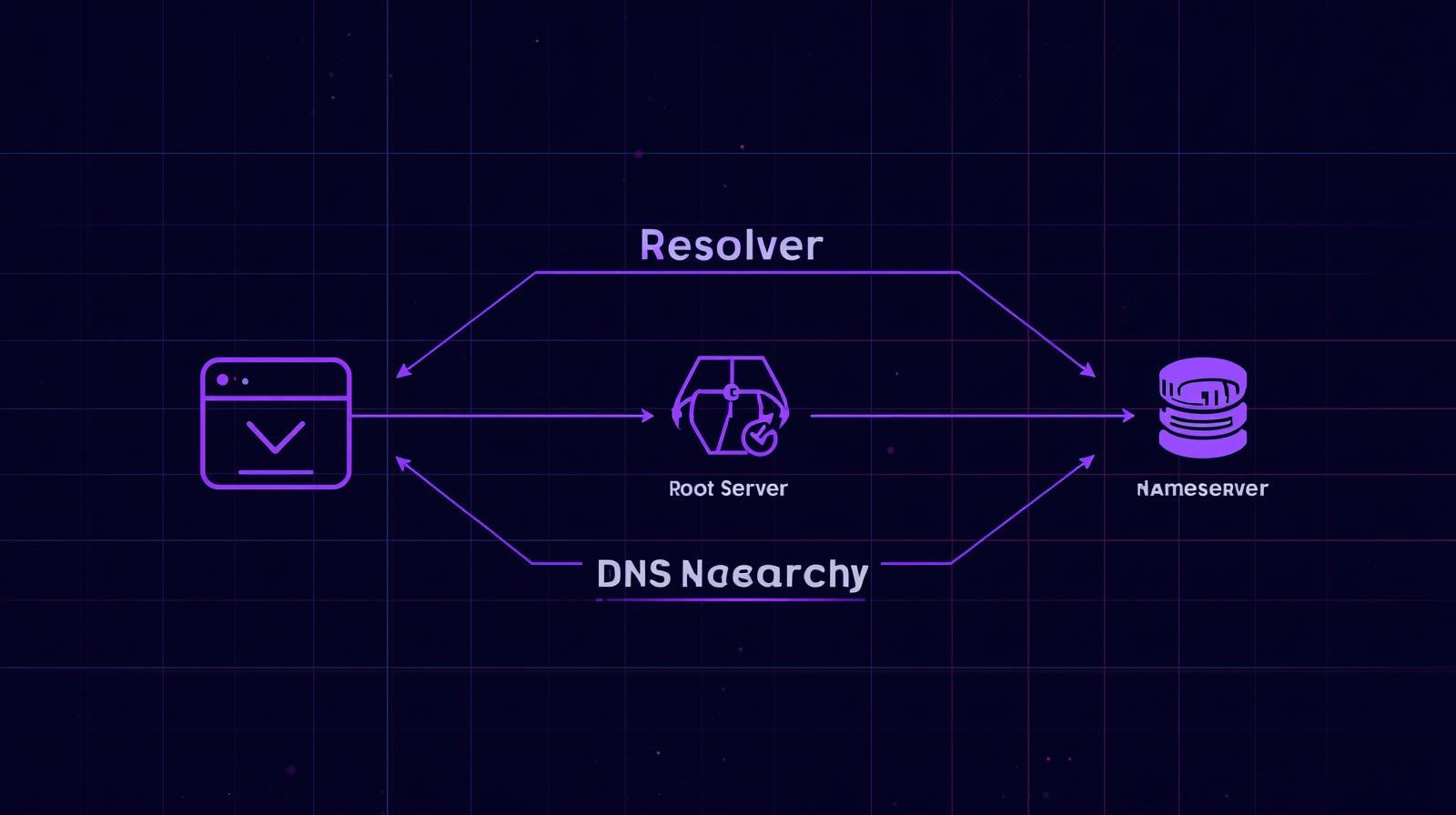
The Domain Name System DNS is among the most foundational and most overlooked components of…

In the hierarchy of brand investments, photography occupies an unusual position: it is one of…

As Nigerian businesses invest more heavily in digital projects website builds, application developments, system migrations,…

Among the various challenges that complicate technology and creative project delivery in Nigerian organisations, few…

Every Nigerian business that launches a website, deploys an application, or establishes a digital infrastructure…

At E15 Technologies, we don’t just navigate the complex world of technology, we redefine it. Our commitment to excellence is not a mere promise but a relentless pursuit fueled by a team of highly skilled professionals armed with the latest tools and technologies to ensure the highest standards of quality and efficiency.
Monday - Friday 08 AM - 5 PM