
Testing Is Not the Last Step — It Is a Continuous Commitment Throughout Every Project

In many Nigerian technology development projects, testing occupies a specific and limited position in the project timeline: it is the phase that happens at the end, after development is complete, before the client signs off on delivery. This model of testing as a final quality gate rather than a continuous practice is responsible for a disproportionate share of the problems that Nigerian business clients experience when digital projects are delivered. By the time end-of-project testing occurs, the code base is large, the issues are numerous, and the time and budget available to address them are constrained. The problems that rigorous, continuous testing throughout developmen
The Prototype That Saved Six Months of Development — A Guide to Getting It Right

In E15 Technologies Limited’s project history, one of the most consistent patterns we observe is the project that saves six months of development time — not by building faster, but by discovering a fundamental design problem at the prototyping stage rather than after the developmen
What ‘User-Centred Design’ Meansand Why It Should Drive Every Nigerian Business Project

User-centred design is a phrase that has been adopted so widely by the Nigerian design and technology industry that its specific meaning has begun to blur. Used carelessly, it describes any design process that involves some consideration of who will use the end product. Used precisely, it
The Agile Advantage: Why Nigerian Businesses Get Better Results From Iterative Development

The word ‘agile’ appears in the marketing materials of a significant proportion of Nigerian technology development teamssometimes as a genuine description of their methodology, sometimes as a buzzword applied to whatever development approach they already use. Understanding
Scope Creep: Nigeria’s Most Expensive Project Management Problemand How a Strong Process Prevents It

Scope creep is the gradual, often imperceptible expansion of a project’s requirements beyond what was originally agreedand it is the single most common cause of budget overruns, timeline extensions, and strained client-agency relationships in Nigerian project delivery. It does not usually announce itself as a deliberate decision. It arrives through a series of small, individually reasonable requests
Why the Best Nigerian Tech Projects Begin With a Question, Not an Answer

There is a temptation that affects almost every Nigerian business owner commissioning a technology or brand project: the temptation to arrive at the first meeting with the solution already decided. The website redesign is needed. The app requires these features. The brand refresh should look like this.
From Brief to Business Impact: How E15’s Strategic Process Delivers Exceptional Outcomes

At E15 Technologies Limited, we believe that exceptional outcomes are not a matter of luck or exceptional individual talent alone though we have both. They are the product of a clear, collaborative, and well-structured process that is applied consistently, at every stage,
What Holistic Methodology Really Means and Why Fragmented Project Delivery Costs More
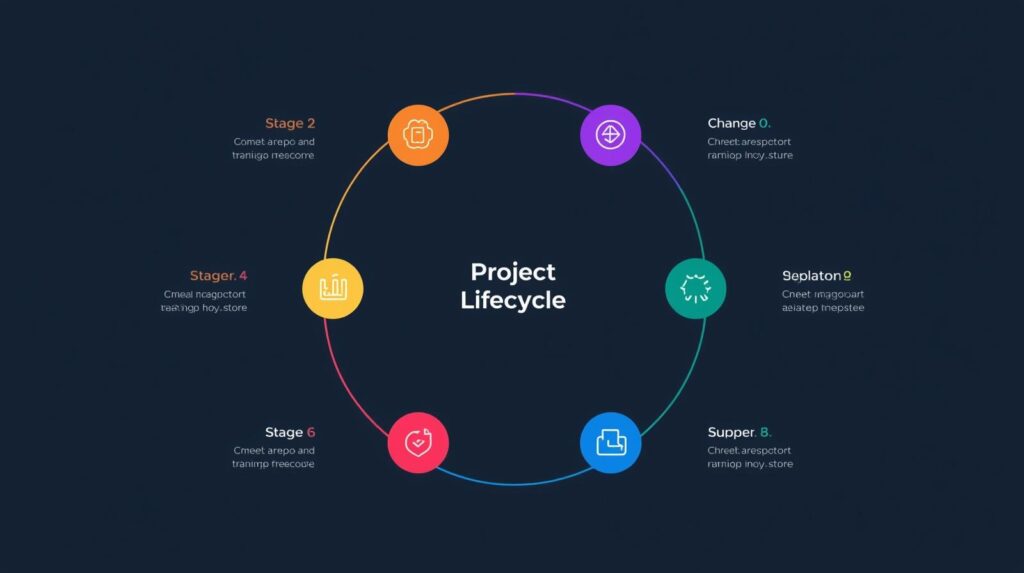
The word ‘holistic’ is used frequently enough in business communication that it has begun to lose specific meaning. At E15 Technologies Limited, when we describe our methodology as holistic, we mean something precise: that our strategic process treats every
The Six Conversations Every Client Should Have With Their Project Partner Before Work Begins
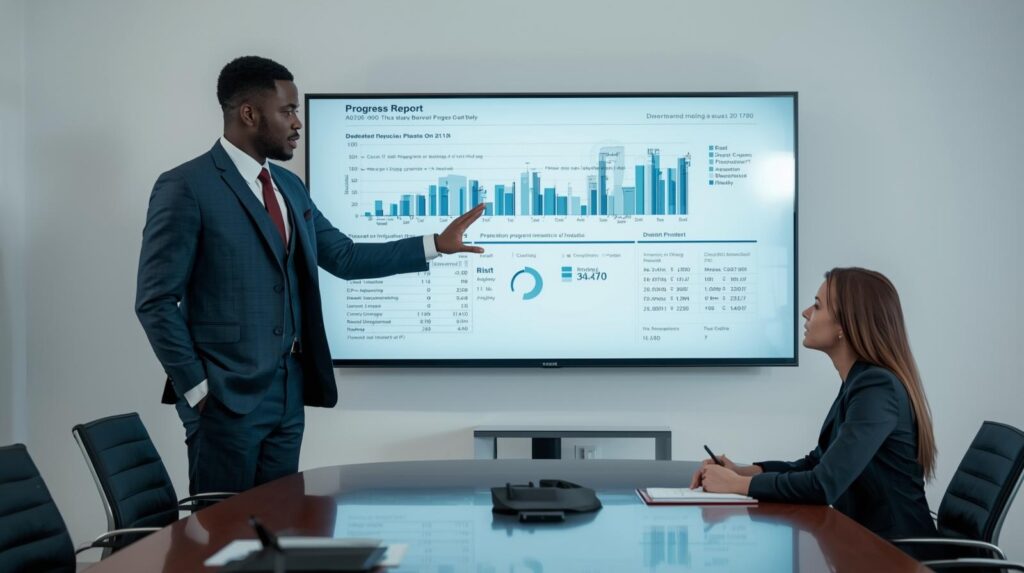
One of the most consistent patterns E15 Technologies Limited observes in clients who have had difficult experiences with previous project partners is that certain critical conversations never happened or happened too briefly, too late, or without the honesty
Transparency Is Not a Value It’s a Delivery Standard. Here’s What It Looks Like in Practice.

Transparency is one of the most commonly claimed values in the Nigerian professional services market. Agencies, development teams, and creative studios list it on their websites, include it in their pitch decks, and reference it in their client proposals. And yet, the experience of many Nigerian business owners who have engaged these partners tells a different
