Website accessibility the design and development practice of ensuring that digital content and interfaces are usable by people with a wide range of abilities, including those with visual, auditory, cognitive, and motor impairments has historically been treated as a niche concern in Nigeria’s web development market. It has been addressed, when addressed at all, primarily by organisations serving international markets where legal accessibility requirements are more established. This is changing. As Nigeria’s digital economy matures and as awareness of accessibility as both a legal and commercial consideration grows, businesses that have invested in accessible web infrastructure are finding themselves ahead of a curve that their competitors are only beginning to notice.
The commercial argument for website accessibility does not require reference to legal obligation. It is grounded in basic market arithmetic. According to the World Health Organisation, approximately 15% of the global population lives with some form of disability and in Nigeria, with a population of over 200 million, this represents a very large potential customer base. Websites that are inaccessible to users with visual impairments because they rely entirely on visual navigation with no screen reader support or to users with motor impairments because they require precise mouse interaction with no keyboard navigation option are systematically excluding potential clients. In a competitive market, accessibility is a market expansion strategy.
One of the most practically motivating aspects of website accessibility for Nigerian businesses is its relationship with search engine optimisation. Many accessibility best practices providing descriptive alternative text for images, using proper heading hierarchy, ensuring clear and descriptive link text, providing transcripts for audio and video content are also SEO best practices that improve a website’s comprehensibility to search engine crawlers. A website built to accessibility standards is, in significant part, also a website built for better search performance. The investment in accessibility improvement frequently delivers SEO returns that compound over time in addition to the direct accessibility benefits.
The international benchmark for website accessibility is the Web Content Accessibility Guidelines WCAG published by the World Wide Web Consortium. WCAG defines accessibility requirements at three conformance levels: A, AA, and AAA, with AA being the level most commonly referenced in legal requirements and international procurement standards. For Nigerian businesses with international clients, partners, or investors particularly those in markets like the UK, EU, US, and Australia where accessibility requirements are more established WCAG AA compliance is becoming a standard expectation in vendor and partner evaluation. Understanding and meeting this standard is not just an ethical commitment. It is an increasingly commercial one.
Website accessibility is a commercial opportunity, an SEO advantage, and an increasingly important compliance consideration. E15 Technologies Limited can help you get ahead of the curve. Contact our Infrastructure and Support team today.

User-centred design is a phrase that has been adopted so widely by the Nigerian design…
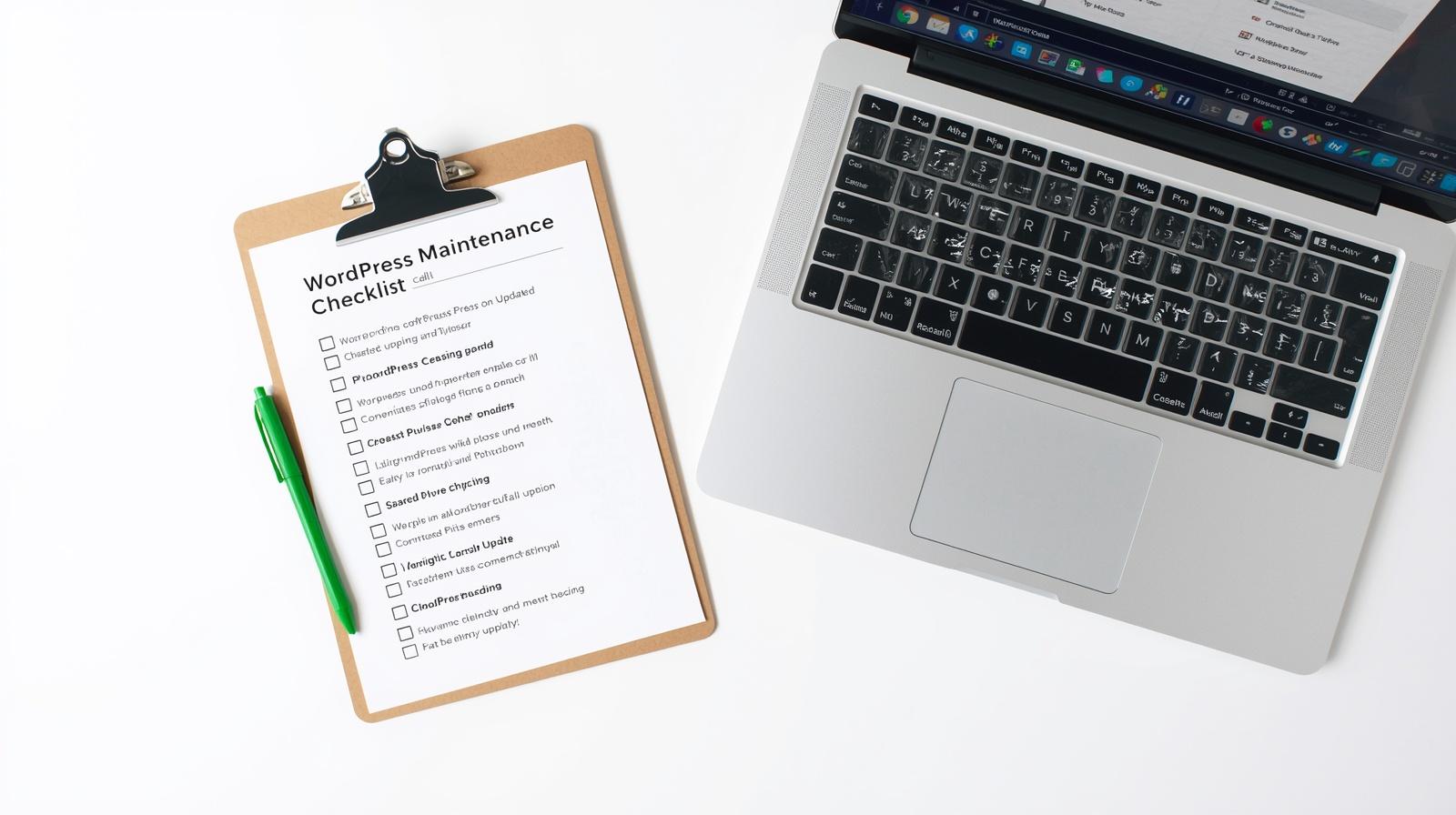
Website loading speed is one of the most directly measurable dimensions of digital infrastructure quality…

In every sector of the Nigerian market financial services, technology, retail, professional services, food and…

Of the various cultural investments a Nigerian organisation can make in its long-term performance, few…

The word 'agile' appears in the marketing materials of a significant proportion of Nigerian technology…
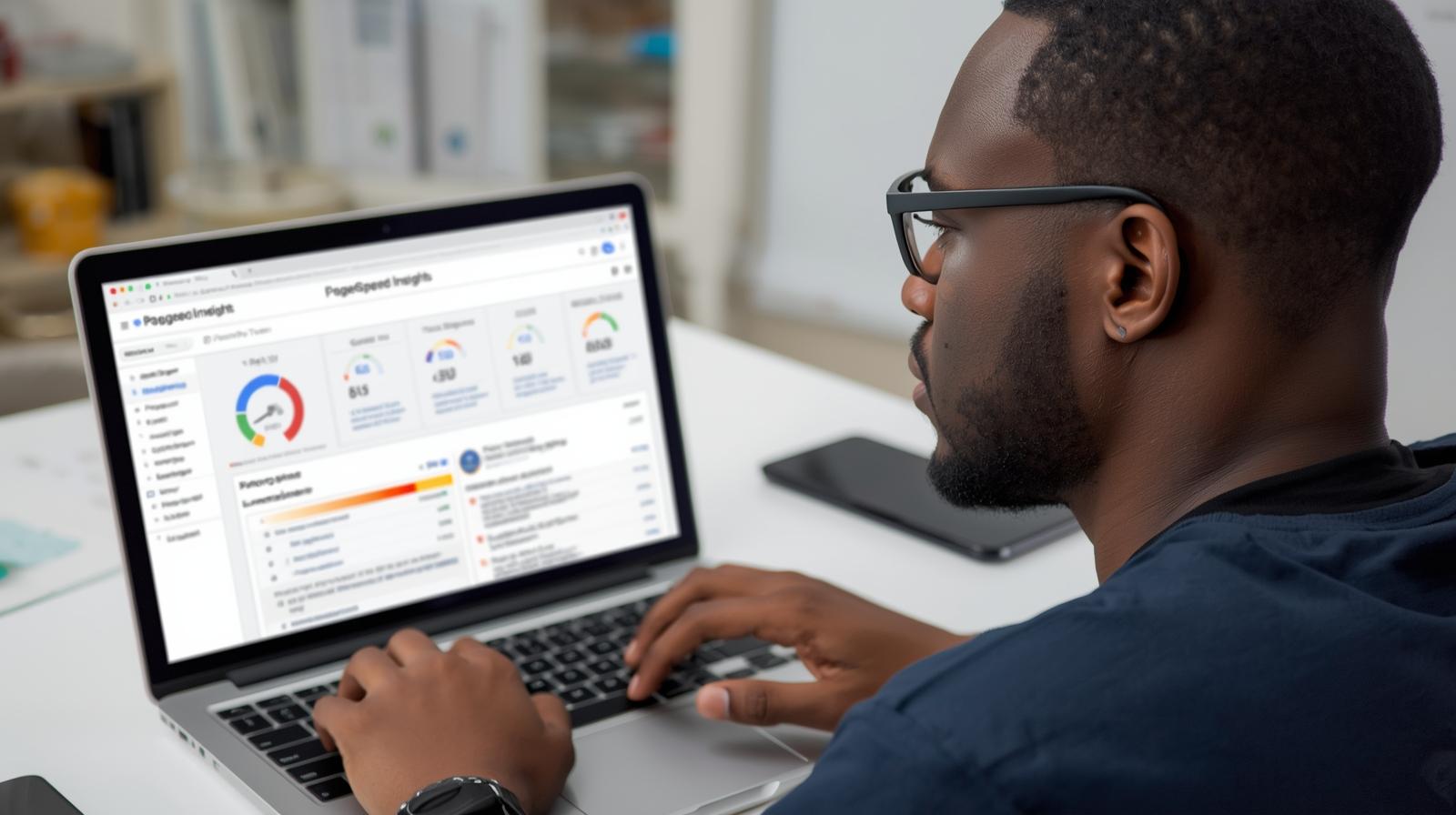
There is a development practice used by every professional technology team that maintains websites and…

At E15 Technologies, we don’t just navigate the complex world of technology, we redefine it. Our commitment to excellence is not a mere promise but a relentless pursuit fueled by a team of highly skilled professionals armed with the latest tools and technologies to ensure the highest standards of quality and efficiency.
Monday - Friday 08 AM - 5 PM
